
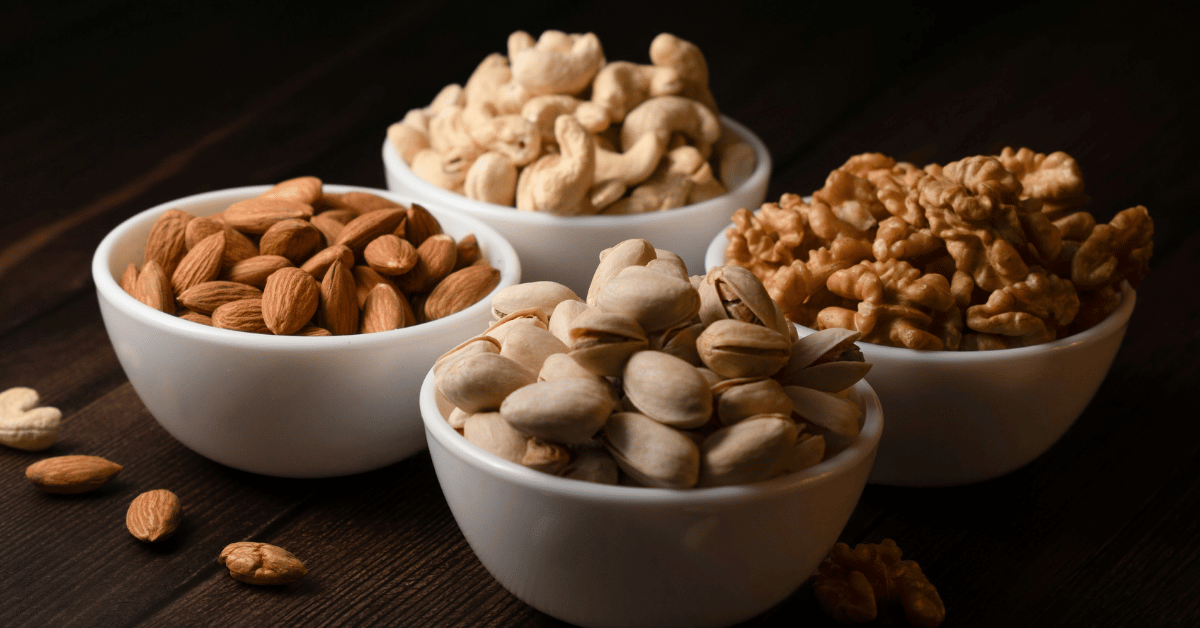
Gram for gram, almonds and cashews are the better everyday value, while pistachios cost more no matter how you slice it — the real question is whether you’re paying for the nut or paying for the shell. Here’s what your ringgit actually buys with each, and which one deserves a permanent spot in your pantry.
The starting price, side by side
Entry-level pack prices on Morrista right now:
- Roasted Unsalted Cashew Nuts — 200g from RM18.98, roughly RM9.49 per 100g.
- Raw Almond — 200g from RM18.91, roughly RM9.46 per 100g.
- Roasted Pistachio in Shell — from RM23.61 for the smallest pack.
On paper, cashew and almond are nearly identical in cost — the real decision between those two comes down to taste and use case, not price. Pistachio is the outlier, and not by a small margin.
Why pistachio costs so much more
Two things push pistachio’s price up, and they’re worth understanding before you buy:
1. The shell isn’t free. When you buy pistachio in shell, a meaningful chunk of that weight is inedible shell, not nut. You’re paying for total weight, but eating only part of it — so the per-100g price on the label understates your real cost per 100g of actual, edible pistachio. Cashew and almond don’t have this problem; what’s on the label is what you eat.
2. Shelling costs money. The kernel version — pistachio already out of its shell — trades that inconvenience for a steep premium. You’re paying for the labour of shelling, not just the nut itself. If you’ve ever compared shelled vs. in-shell pistachio pricing anywhere, this gap is standard, not a Morrista-specific markup.
Which one should you actually buy?
Buying for daily snacking on a budget
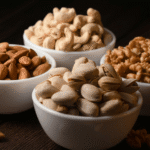
Cashew or almond, full stop. Same price bracket, both keep well, both work in lunchboxes. Pick almond if you want a lighter, drier crunch; pick cashew if you want something creamier. Try Roasted Unsalted Cashew Nuts or Raw Almond.
Buying for a slow, mindful snack
Pistachio in shell. Yes, you’re paying more per 100g of actual nut than cashew or almond — but the shelling process is the point. It naturally slows down how fast you eat, which is useful if you’re snacking out of boredom rather than hunger. Worth the premium for that reason alone. See Roasted Pistachio in Shell.
Buying for convenience or gifting
Pistachio kernel. It’s the most expensive option on this list, but you’re buying zero mess and zero shell disposal — good for gifting, office platters, or baking where shells would be a problem. See Roasted Pistachio Kernel.
Buying for baking or cooking
Almond, generally — it’s the standard in most baking recipes and cheapest per 100g of the three. Raw Almond gives you the unroasted form most recipes call for.
FAQs
Is pistachio actually healthier than cashew or almond?
All three are a source of plant protein, fibre, and unsaturated fats — none of them is a clear nutritional winner over the others. The price difference comes from sourcing, processing, and shelling labour, not a health premium.
Is it cheaper to buy pistachio in shell and shell it yourself?
Yes, per 100g of edible nut, in-shell works out cheaper than pre-shelled kernel. You’re trading money for your own time and effort.
Cashew or almond — which should I pick if I can only choose one?
At near-identical prices, it comes down to preference. Almond suits baking and a lighter crunch; cashew suits snacking and a creamier bite. Neither is the objectively “better value” pick over the other.
The bottom line
If price-per-100g is your main concern, cashew and almond are the sensible everyday buys. Pistachio is worth paying more for only when the shell (mindful snacking) or the shelling (convenience) is doing something for you beyond taste. Browse the full Premium Selection Nuts range to compare all four side by side.