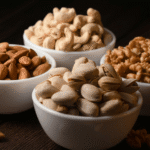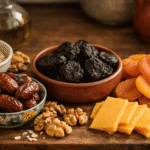


A well-stocked corporate pantry in Malaysia usually mixes roasted nuts, low-sugar dried fruit, muesli or granola, and seeds — bought in larger pack sizes so the cost per portion stays reasonable across a whole team. The easiest way to plan one is variety first, so there’s something for different tastes and diets, and bulk size second, since larger packs generally work out cheaper per gram than individual snack packs.
What Goes Into a Good Corporate Pantry
A pantry that actually gets used covers a few different needs at once: something with staying power for mid-afternoon energy (nuts and seeds are a source of protein, fibre and unsaturated fats), something naturally sweet for a craving (dried fruit), and something suited to breakfast for early arrivals or people who skip it at home (muesli or granola).
Because a corporate pantry is shared, it’s worth being deliberate about allergens. Nut and peanut allergies are common enough that a shared pantry should have clear labelling, and ideally a nut-free option kept separately so colleagues with allergies aren’t left out.
What to Stock
- Omega Mixed Nuts (from RM50.42) — a crowd-pleasing mix that covers most preferences in one tub, good for a shared dispenser or bowl.
- Original Muesli (from RM6.78) — useful for anyone who wants a quick breakfast at their desk; pair it with milk or yoghurt kept in the office fridge.
- Sultana Raisin (from RM6.86) — the most budget-friendly option on this list, and an easy one to keep in bulk for baking or topping muesli.
- Raw Sunflower Seeds (from RM10.43) — a lighter, crunchier option for colleagues who prefer seeds over nuts.
- Granola Mixed Nutty Honey (from RM161.34 for a large pack) — worth considering if your office goes through breakfast items quickly; the bigger pack size lowers the cost per serving.
- Roasted Chickpeas (from RM17.98) — a savoury, less-sweet option to balance out a pantry that’s otherwise mostly nuts and dried fruit.
If you’d rather not build the mix yourself, the Bundle and Origin range and the Fuel for Breakfast category both group products that work well together for shared stocking.
Budgeting and Buying in Bulk for the Office
Larger pack sizes almost always work out cheaper per gram than the same snack in a small individual pack, which matters once you’re buying for a full team rather than one drawer. A simple way to budget is to estimate a rough monthly amount per employee, then split that across two or three snack types rather than one large single-item order — variety keeps the pantry from getting ignored once the novelty of one snack wears off.
Reordering monthly, rather than stocking a huge amount upfront, also keeps everything fresher and gives you room to swap out whatever isn’t getting eaten.
Practical Tips for Malaysian Offices
Humidity is the main enemy of a shared pantry here. Decant nuts, dried fruit and muesli into airtight containers or dispensers rather than leaving opened bags out — it keeps everything crisp for longer and looks tidier on a shared shelf. Keep the pantry out of direct sunlight and away from any heat source like a photocopier or window ledge.
Label each container with its contents and ingredients, especially anything containing nuts, so colleagues with allergies or dietary restrictions can check at a glance rather than asking around. If your team has specific dietary needs, check the product page or packaging for full ingredient details before adding an item to the shared pantry.
FAQs
What snacks work best for a shared office pantry?
A mix that covers a few different preferences works best: roasted nuts for something filling, dried fruit for a sweeter option, muesli or granola for breakfast, and seeds as a lighter alternative to nuts. Variety tends to get eaten more consistently than one large single-item order.
How much should we budget per employee for pantry snacks?
This varies by team size and how often the pantry gets used, but a useful approach is to estimate a modest monthly amount per employee and split it across two or three snack types rather than one item, then adjust up or down after a month based on how quickly things run out.
How do we handle staff with nut allergies in a shared pantry?
Label every container clearly, including anything that contains or is processed near nuts, and consider keeping a nut-free option like seeds or dried fruit stocked separately. Checking each product’s packaging or product page for allergen information before adding it to a shared pantry is worth the extra minute.
How often should we restock a corporate pantry?
Monthly restocking is a reasonable starting point for most offices — it keeps snacks fresher than a large upfront order and gives you a natural point to swap out anything that isn’t getting eaten for something else.
Can we mix nuts, dried fruit and muesli in one order?
Yes — most offices find a mix works better than a single snack type, since it covers different tastes and times of day. Pre-grouped ranges like Bundle and Origin or Fuel for Breakfast make it easier to order a variety in one go rather than picking items individually.
How should we store bulk snacks in a Malaysian office?
Decant into airtight containers or dispensers rather than leaving bags open, and keep the pantry away from direct sunlight or heat sources. Malaysia’s humidity softens nuts and dried fruit quickly once a pack is opened, so resealing after every use makes a noticeable difference to freshness.
Ready to set up your team’s pantry? Browse the Bundle and Origin range for pre-grouped variety at real RM prices, delivered across Malaysia.