

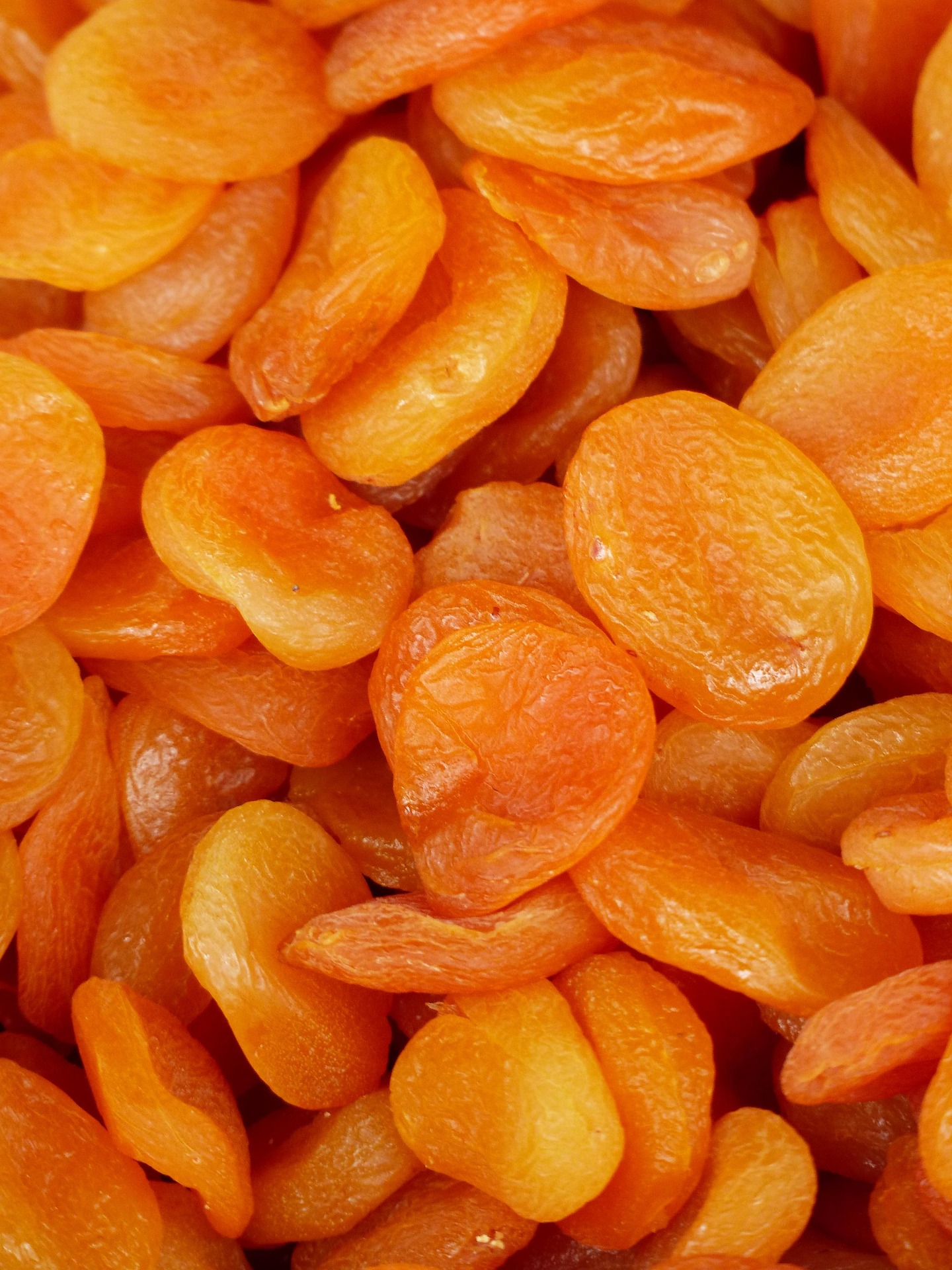
Yes, dried fruit can be a genuinely healthy snack in a normal portion — unsweetened dried mango, apricots and prunes are a source of dietary fibre and keep most of the fruit’s natural minerals, but drying also concentrates the fruit’s own sugar into a smaller bite. Whether a specific pack deserves a place in your everyday snacking rotation comes down to two things: whether sugar was added on top of what the fruit naturally carries, and whether you stick to a realistic portion.
What Actually Changes When Fruit Is Dried?
Drying removes most of the water from fresh fruit, which is why a handful of dried mango looks so much smaller than the fresh slices it came from. Removing that water concentrates everything left behind — natural sugar, fibre and minerals are all packed into a fraction of the original volume, while some heat-sensitive vitamins, like vitamin C, drop off along the way.
That’s really the whole story behind dried fruit’s reputation as “sugary.” It usually isn’t that sugar was added — it’s that the fruit’s own sugar is now several times more concentrated by weight than it was fresh, simply because there’s so much less water diluting it.
Is the Sugar in Dried Fruit a Problem?
Not automatically — the sugar worth watching for is added sugar, not the fruit’s own. Plain, unsweetened dried fruit has no sugar mixed in beyond what the fruit already had; some coated or candied dried fruit does, and that’s the version to be more careful with.
Dried Mango (from RM18.98) and USA Pitted Prune Unsweetened (from RM22.50) are both good examples of the plain kind — no added sugar, just the fruit dried down. Checking the ingredient list for words like “unsweetened” or “no added sugar” is a faster, more reliable way to tell than guessing from taste, since a naturally sweet fruit like mango can taste sugary even without a single gram added on top.
What About Fibre and Other Nutrients?
Yes — dried fruit is a source of dietary fibre, and that fibre survives the drying process largely intact. Dried Apricot (from RM16.88) is one of the more commonly cited dried fruits for fibre content, and it keeps a meaningful amount of potassium as well.
Fibre is a nutrient many people don’t get enough of day to day — Harvard’s Nutrition Source notes most adults need roughly 25–35g of fibre a day for good health, and a small handful of dried fruit is an easy way to nudge toward that. According to USDA FoodData Central, dried apricots carry noticeably more fibre per gram than the same weight of fresh apricot, simply because drying concentrates the fibre along with the sugar.
Getting the Portion Right
A small handful — about 30g — is a realistic single serving for most dried fruit, whether that’s mango, prunes or apricot. Because drying shrinks fruit down so much, 30g of dried fruit is a far smaller pile than 30g of the fresh version, which is exactly how sugar intake creeps up without anyone noticing.
Pairing a portion of dried fruit with a handful of unsalted nuts adds protein and unsaturated fat to the snack, which tends to make it more filling than fruit alone — a genuinely practical trick for a long afternoon at the desk.
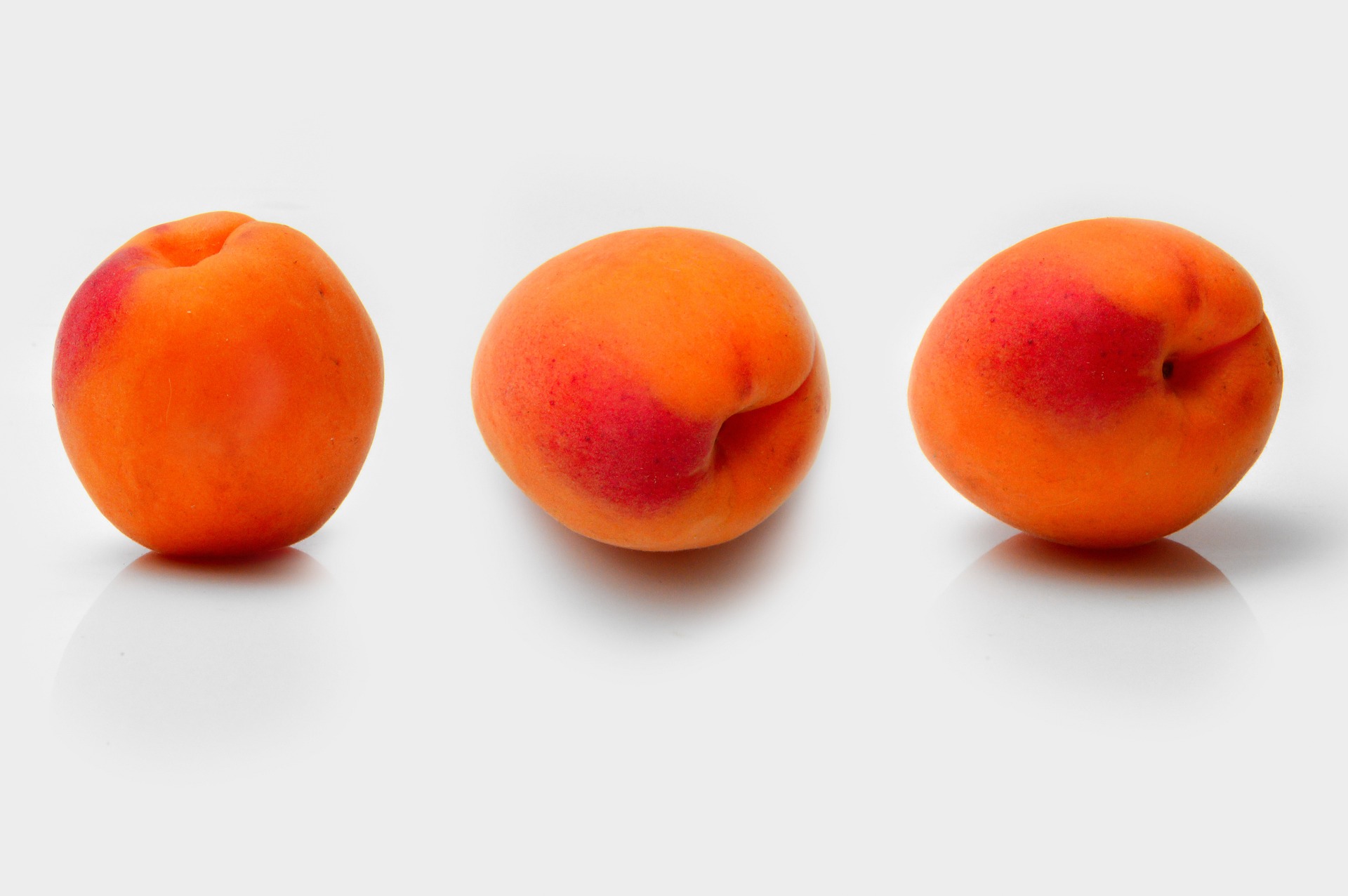
Photo by engin akyurt on Unsplash — free licence, commercial use permitted.
Storing Dried Fruit in Malaysia’s Climate
Malaysia’s humidity is tougher on dried fruit than most storage advice written for drier climates accounts for. Once a pack is opened, dried fruit left out on the counter softens and clumps within days.
Resealing the pack tightly, or moving leftovers into an airtight container, right after each use keeps texture and flavour intact for weeks. If you buy in bulk from the Low Sugar Dried Fruits range, the fridge is worth using for anything you won’t finish within a month.
If you have a nut or peanut allergy, check the packaging of any mixed dried fruit and nut product, since some are processed in facilities that also handle nuts.
Ready to build your own low-sugar snack drawer? Browse the full Low Sugar Dried Fruits range for real RM prices and unsweetened options delivered across Malaysia, or see our low-sugar dried fruit guide for more picks beyond mango, prunes and apricot.
FAQs
Are dried fruits actually healthy?
Most unsweetened dried fruit is a healthy snack in a normal portion — it’s a source of dietary fibre and keeps much of the fruit’s natural mineral content. Its sugar is more concentrated than fresh fruit’s though, so portion size matters more than it does with fresh fruit.
Which dried fruit has the least sugar?
Tarter, less naturally sweet fruits like dried apricot tend to taste less sugary than mango, though exact sugar content varies by fruit and batch. Checking the nutrition label on the specific product is the most accurate way to compare.
How much dried fruit should I eat a day?
A small handful, around 30g, is a commonly used serving size for dried fruit. Since drying concentrates the fruit’s sugars into a smaller volume, sticking to a measured portion rather than snacking straight from a large bag helps keep intake realistic.
Do dried fruits have added sugar?
Not always — plain, unsweetened dried fruit like dried mango or unsweetened pitted prunes has no sugar added beyond what the fruit naturally contains. Some coated or candied dried fruit does have added sugar, so checking the ingredient list is the reliable way to tell the two apart.
Can I eat dried fruit if I’m watching my sugar intake?
Unsweetened dried fruit in a controlled portion is a reasonable choice for most people watching their sugar intake, as part of a balanced diet. If you have diabetes or another condition that needs closer monitoring, check with your doctor or a dietitian for guidance specific to you.