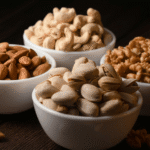

Cashews and almonds are both good everyday nuts to keep at home, and neither one is “healthier” than the other in any meaningful way. The real difference is taste and texture: cashews are softer, sweeter and creamier, while almonds are firmer with a drier crunch and a slightly bitter skin. Most Malaysian households are better off keeping both in rotation rather than picking a winner.
Cashew vs Almond: The Main Differences
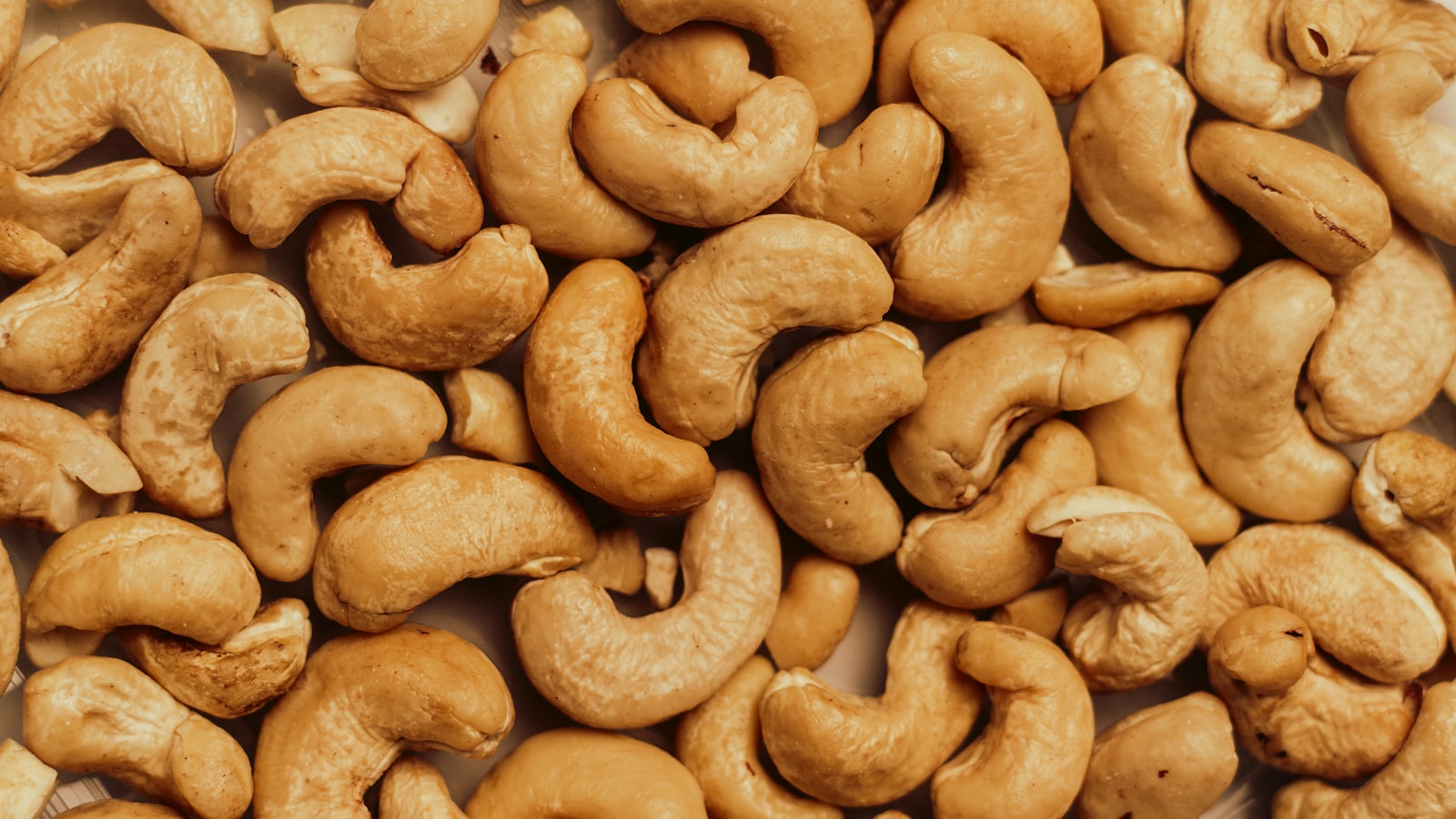
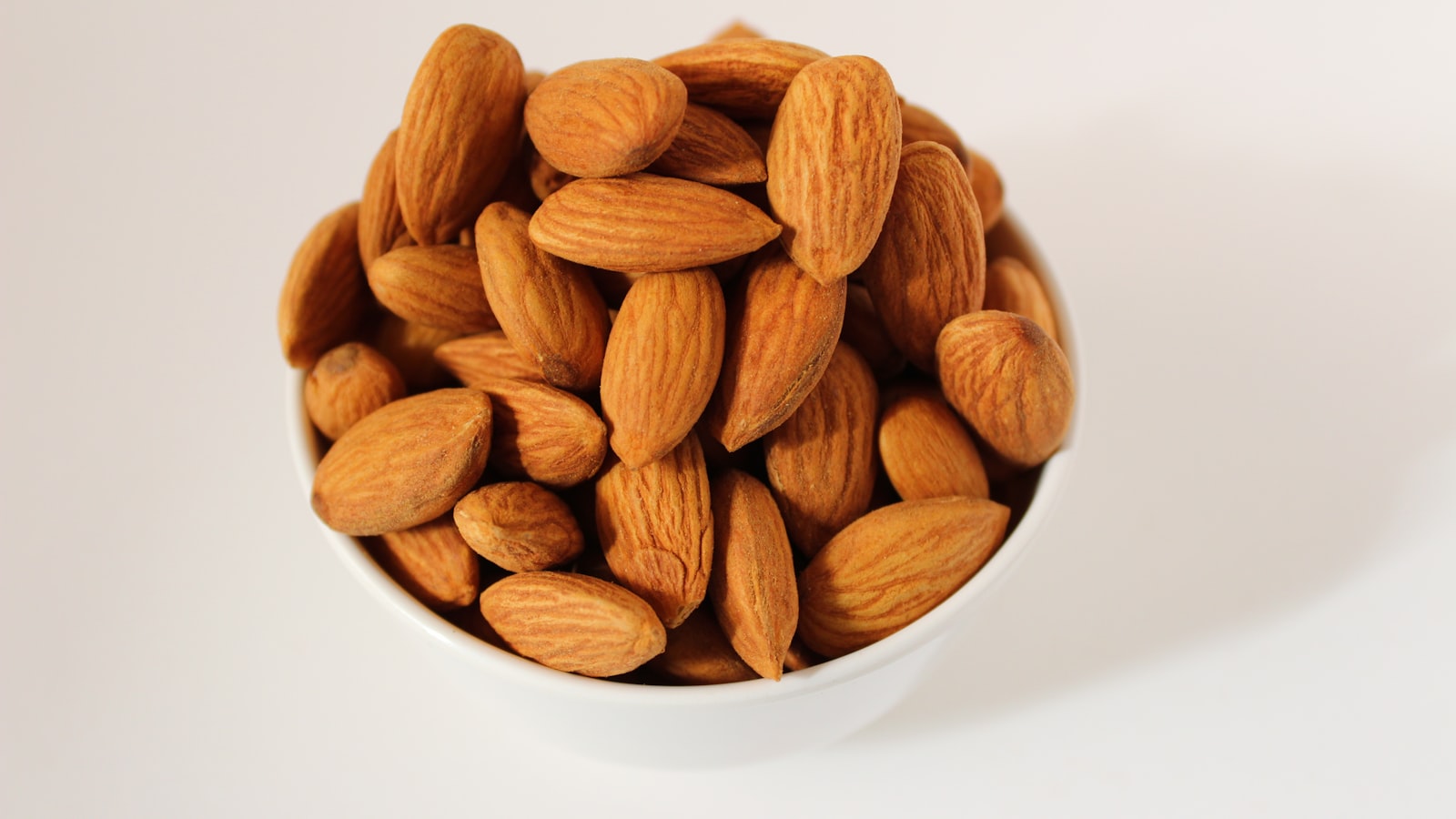
Side by side, the two nuts are easy to tell apart once you know what to look for. Cashews are kidney-shaped, pale, and noticeably softer to bite into, which is why they’re popular blended into sauces or eaten straight from the jar. Almonds are oval, firmer, and hold their crunch longer once roasted, which suits snacking straight through a workday.
- Texture: Cashews are soft and creamy; almonds are firm and crunchy.
- Taste: Cashews lean sweet and buttery; almonds are more neutral with a slight bitterness from the skin.
- Shape: Cashews are curved; almonds are flat-oval.
- Common local use: Cashews in stir-fries, mixed nut jars, and desserts; almonds in muesli, baking, and straight snacking.
Nutrition: How They Really Compare
Both nuts are a source of unsaturated fats and protein, so neither is the clear “better” pick from a nutrition standpoint — the difference is in which nutrients each leans toward. Cashews are a source of magnesium and copper, while almonds are a source of vitamin E and dietary fibre. In practice, eating a rotation of both gives you a broader spread of nutrients than sticking to just one.
A realistic everyday portion for either nut is about 30g, roughly a small handful. Roasted Unsalted Cashew Nuts (from RM18.98) and Raw Almond (from RM18.91) are both unsalted options if you’re watching sodium, and both work well pre-portioned into small containers for the week.
Price Comparison in Malaysia (RM)
Prices for both nuts move with pack size, so buying larger bags generally works out cheaper per gram than small snack packs. Roasted Unsalted Cashew Nuts range from RM18.98 to RM136.73 depending on size, and Raw Almond ranges from RM18.91 to RM135.34. At the entry pack size, the two land within a ringgit of each other, so price alone isn’t a strong reason to pick one over the other — taste preference and what you’re using it for matter more.
Can’t decide? Unsalted Roasted Cashew and Almond (RM35.87) is a pre-mixed pack that skips the choice entirely, and the full Premium Selection Nuts range covers pistachios, walnuts, macadamias, and more if you want to compare further.
Which One Should You Buy?
The right pick depends on what you’re using it for rather than which is “better” overall.
- Office snack drawer: Almonds hold their crunch longer at room temperature, making them a more forgiving desk snack.
- Baking and granola: Almonds (whole, flaked, or chopped) toast well and keep their shape in the oven.
- Stir-fries and Asian-style cooking: Cashews soften into dishes and pair naturally with local flavours.
- Gifting or a mixed snack jar: A cashew-almond mix covers both textures in one pack.
Storing Cashews and Almonds in Malaysia’s Climate
Cashews have a higher fat content than almonds, which means they can turn rancid faster once exposed to Malaysia’s heat and humidity — a sealed container in the fridge keeps them fresher for longer if you’re not finishing the pack within a few weeks. Almonds are a little more forgiving and can sit in an airtight container in a cool, dry cupboard for longer without the fridge. For both, keep them away from direct sunlight and reseal the pack tightly after every use, since humidity is what turns a crunchy nut soft or soft nut rancid, not time alone. As with any tree nut, take care around nut or peanut allergies, especially if the jar is shared at home or in the office.
FAQs
Is cashew or almond healthier?
Neither is clearly “healthier” — both are a source of unsaturated fats and protein, with cashews leaning toward magnesium and copper, and almonds toward vitamin E and fibre. Keeping both in rotation gives you a wider spread of nutrients than picking one.
What is the difference between cashew and almond in taste?
Cashews are softer and sweeter with a creamy, buttery finish. Almonds are firmer and drier with a more neutral flavour and a slightly bitter skin.
Which nut is cheaper in Malaysia, cashew or almond?
At entry pack sizes, roasted unsalted cashews and raw almonds are priced within about a ringgit of each other, so cost isn’t usually the deciding factor. Larger packs bring the per-gram price down for both.
Can I substitute almonds for cashews in recipes?
You can, but expect a different result — almonds keep more crunch and won’t soften into a sauce the way cashews do. For creamy dishes like sauces or dips, cashews are the closer match; for crunchy toppings, almonds work better.
How should I store cashews and almonds in Malaysia’s climate?
Keep both in an airtight container away from direct sunlight. Cashews are more prone to turning rancid in heat and humidity, so refrigerating them helps if you won’t finish the pack quickly; almonds can generally stay fresh longer in a cool, dry cupboard.
Are cashews or almonds better for baking?
Almonds are generally the better baking nut — whole, flaked, or chopped, they toast well and keep their shape in the oven. Cashews are better suited to no-bake fillings, sauces, or blended desserts where a soft, creamy texture is what you want.
Ready to stock up? Shop Roasted Unsalted Cashew Nuts, Raw Almond, or the pre-mixed Unsalted Roasted Cashew and Almond pack, and browse the full Premium Selection Nuts range for more options.